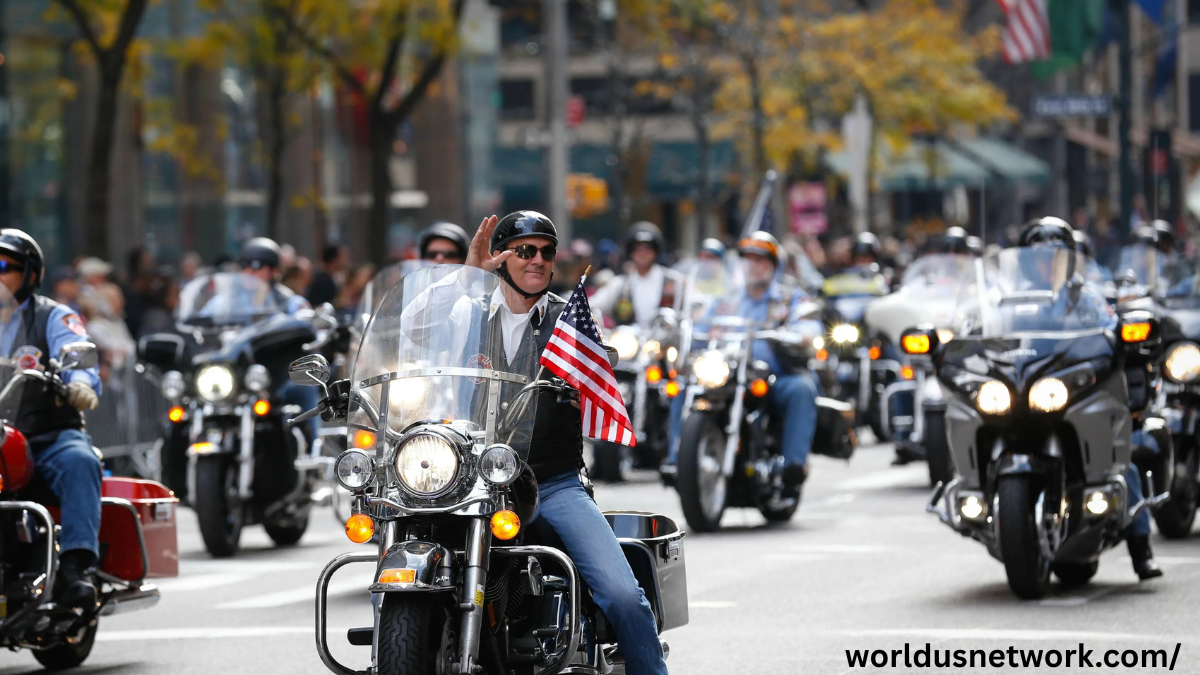
The what percentage of americans serve in the military United States military is often seen as one of the largest and most powerful armed forces in the world. However, many people are surprised to learn just how small a fraction of the American population actually serves in uniform. Despite the country’s global military presence and advanced defense systems, only a tiny percentage of citizens are actively serving at any given time what percentage of americans serve in the military.
To understand this clearly, it’s important to distinguish between active-duty personnel, reserve forces, and the National Guard. Together, these groups form the backbone of the U.S. military structure, but even combined, they represent a very small share of the total population. This creates a common misconception that military service is widespread, when in reality it is quite rare in modern American society.
This article explores what percentage of Americans serve in the military today, how that number has changed over time, why it remains low, and what it means for the country’s future. It also provides comparisons, insights into recruitment, and broader social implications of having a volunteer-based military system.
1. What Percentage of Americans Serve in the Military Today?
What percentage of americans serve in the military At present, less than 1% of the U.S. population serves in the military in any capacity. When combining active-duty service members with reserve forces and the National Guard, the total still remains a very small fraction of the nation’s population of over 330 million people. This highlights just how selective and limited military participation is in modern times what percentage of americans serve in the military.
Active-duty personnel make up the core of military operations, serving full-time in various branches such as the Army, Navy, Air Force, Marine Corps, and Space Force. In addition to these full-time service members, the reserves and National Guard provide critical support, often stepping in during emergencies, natural disasters, or military deployments. Even with all these groups combined, the percentage of Americans in uniform remains well below one percent what percentage of americans serve in the military.
This low percentage often surprises people because the U.S. military has a global presence with bases and operations around the world. However, the system is designed to rely on a highly trained and professional volunteer force rather than large-scale mass conscription. The result is a smaller but more specialized military population.
Understanding this percentage helps put national defense into perspective. While millions of Americans may have served at some point in their lives, the number actively serving at any given moment is relatively small compared to the total population what percentage of americans serve in the military.
2. Historical Trends in U.S. Military Service Rates
Military participation in the United States has changed dramatically over time. During major conflicts such as World War II, a significant portion of the population served in the armed forces. At that time, military service was far more common, and the system relied heavily on conscription, meaning many citizens were drafted into service what percentage of americans serve in the military.
As the country moved into the Vietnam War era, the draft continued to play a major role in maintaining troop levels. However, this system gradually became controversial and was eventually phased out in favor of an all-volunteer force in the early 1970s. This shift marked a major turning point in American military history what percentage of americans serve in the military.
Since the transition to a volunteer military, the percentage of Americans serving has steadily declined. While the population has grown significantly, the size of the military has remained relatively stable or even decreased in comparison. This means the proportion of people in uniform today is much smaller than it was in previous generations what percentage of americans serve in the military.
Technological advancements and changes in military strategy have also contributed to this trend. Modern warfare relies more on precision, intelligence, and advanced equipment rather than large infantry forces. As a result, fewer personnel are needed overall, even as the military maintains global readiness.
3. Why So Few Americans Serve in the Military
There are several reasons why such a small percentage of Americans serve in the military today. One of the most important factors is that the United States operates an all-volunteer force. Unlike countries with mandatory service, Americans choose whether or not to enlist, which naturally limits participation what percentage of americans serve in the military.
Eligibility requirements also play a significant role. Potential recruits must meet strict physical, mental, and legal standards. Many individuals are disqualified due to health conditions, educational limitations, or past legal issues. This significantly reduces the pool of eligible candidates what percentage of americans serve in the military.
Economic and lifestyle choices also influence military participation. Many young Americans choose higher education or civilian career paths instead of military service. In some cases, financial opportunities in the private sector can be more appealing than enlistment, depending on personal goals and circumstances.
Additionally, cultural and geographic factors affect enlistment rates. Military service tends to be more common in certain regions of the country, particularly rural areas, compared to major urban centers. Family tradition and community influence can also play a role in whether someone chooses to serve.
4. Composition of the Modern U.S. Military Force
The modern U.S. military is divided into several branches, each with unique roles and responsibilities. The Army focuses on land-based operations, while the Navy operates at sea. The Air Force manages air and space missions, the Marine Corps specializes in rapid response and amphibious operations, and the Space Force handles space-related defense systems.
Within these branches, personnel are further divided into active-duty forces, reservists, and National Guard members. Active-duty troops serve full-time, while reservists and National Guard members typically train part-time and can be activated when needed.
In addition to uniformed personnel, the military also relies heavily on civilian employees and contractors who support logistics, technology, intelligence, and administration. This broader workforce plays a critical role in maintaining military operations.
Demographically, the military includes men and women from diverse backgrounds across the United States. While the majority of service members come from various regions of the country, certain states and communities contribute a higher proportion of recruits than others.
5. How the U.S. Compares to Other Countries
When compared to other nations, the percentage of Americans serving in the military is relatively low. Many countries with mandatory military service have significantly higher participation rates because citizens are required to serve for a period of time.
In contrast, the United States relies on a volunteer system, which results in a smaller but highly trained professional force. Some nations maintain larger percentages of their population in uniform due to regional security concerns or different defense strategies.
Despite having a smaller proportion of citizens in the military, the United States maintains one of the most powerful and technologically advanced armed forces in the world. This is due to high levels of funding, training, and equipment rather than sheer manpower alone.
Conclusion
The percentage of Americans serving in the military is surprisingly small, especially when compared to the country’s global military presence and influence. Less than one percent of the population is actively serving, highlighting the highly selective nature of modern military service.
Over time, the shift from conscription to a volunteer force has significantly reduced participation rates, while technological advancements have changed the nature of warfare itself. Despite the small size of the force relative to the population, the U.S. military remains one of the most capable and strategically important institutions in the world.
Understanding these numbers provides a clearer picture of how national defense operates today and how deeply it relies on a dedicated but limited group of volunteers.