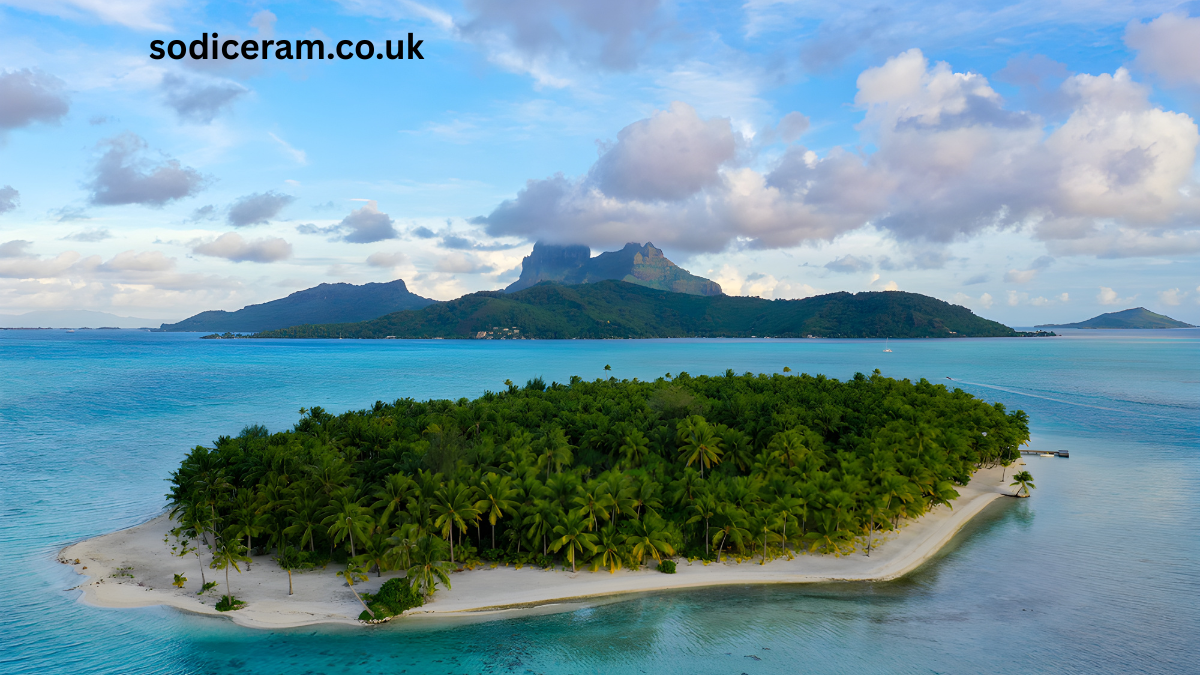
Motu Tane is one of the most exclusive private islands in the world, located in the heart of the Bora Bora lagoon in French Polynesia. Known for its breathtaking natural beauty, crystal-clear turquoise waters, and untouched tropical landscapes, this island has become a symbol of luxury, privacy, and refined escape. Unlike commercial tourist destinations, Motu Tane offers a rare sense of seclusion that appeals to high-profile individuals, luxury travelers, and those seeking an intimate connection with nature.
What makes Motu Tane especially fascinating is its combination of raw natural charm and carefully curated elegance. The island is not just a piece of land surrounded by ocean—it is a carefully preserved paradise where tropical ecosystems thrive alongside private luxury estates. Its palm-lined beaches, coral-rich waters, and serene atmosphere make it one of the most desirable private island retreats in the South Pacific.
In recent years, Motu Tane has gained attention as a benchmark of exclusive island living. It represents a lifestyle that blends sustainability, privacy, and high-end design. This article explores everything about Motu Tane, including its geography, ownership, history, luxury appeal, tourism access, environmental importance, and cultural significance in French Polynesia.
What is Motu Tane? Overview and Meaning
Motu Tane is a small private island, or “motu,” located within the Bora Bora lagoon in French Polynesia. In the Polynesian language, the word “motu” refers to a small reef island formed by coral debris and sand. “Tane” can be associated with Polynesian cultural references, often linked to nature and masculinity in mythology. Together, the name reflects the island’s deep connection to the natural and cultural heritage of the region.
Unlike larger inhabited islands, Motu Tane is defined by its exclusivity and limited human footprint. It is not a public tourist destination but a privately owned retreat that embodies luxury island living. The island is surrounded by calm, shallow lagoon waters and protected by Bora Bora’s famous barrier reef, which creates a natural shield against ocean waves. This makes its waters exceptionally calm, clear, and ideal for marine life.
Motu Tane is also distinguished by its careful preservation. While many islands in the region are developed for tourism, Motu Tane has maintained a balance between luxury development and environmental respect. Its landscape includes coconut groves, white sandy beaches, and lush tropical vegetation that has been preserved to maintain its natural identity.
Location and Geographic Features of Motu Tane
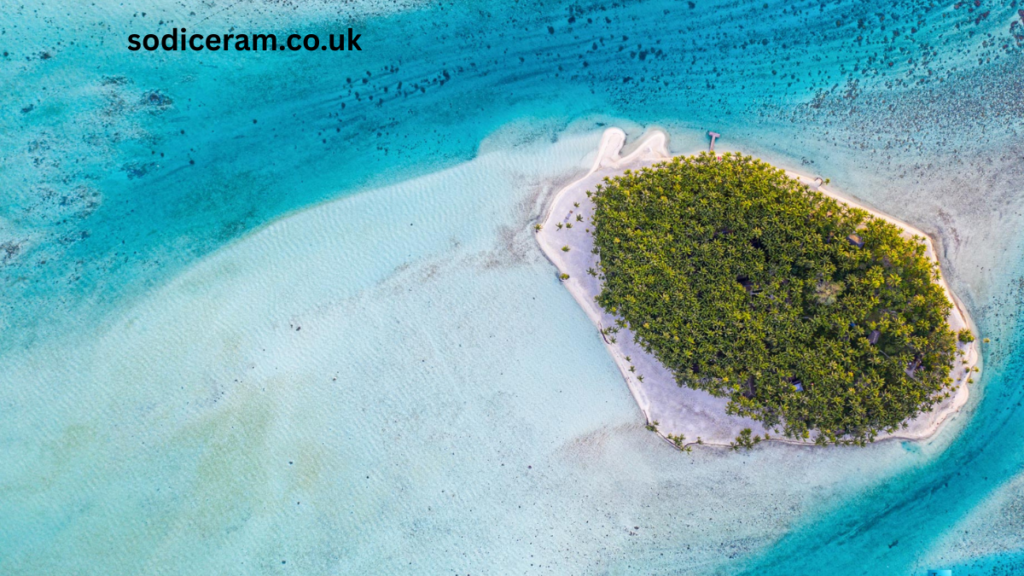
Motu Tane is located in the Bora Bora lagoon, one of the most famous lagoon systems in the world. Bora Bora itself is part of French Polynesia, an overseas collectivity of France situated in the South Pacific Ocean. The island sits within a cluster of motus that surround the main volcanic island of Bora Bora, creating a stunning ring of smaller islands around a central mountain landscape.
The geography of Motu Tane is defined by its tropical marine environment. The island is surrounded by warm, shallow waters that shift in color from deep blue to bright turquoise depending on sunlight and depth. Coral reefs surrounding the island support a diverse ecosystem of fish, rays, and other marine life, making the waters both visually stunning and ecologically important.
The climate of Motu Tane is typically tropical, with warm temperatures throughout the year. Gentle trade winds help regulate the heat, while seasonal rainfall nourishes the island’s lush vegetation. Coconut palms, flowering plants, and native shrubs dominate the landscape, giving it a classic Polynesian island appearance. The combination of geography and climate makes Motu Tane both visually striking and environmentally rich.
History and Ownership of Motu Tane
The history of Motu Tane is closely tied to the broader history of Bora Bora and French Polynesia. Traditionally, motus like this were used by Polynesian communities for fishing, coconut harvesting, and temporary shelter. Over time, as tourism and international interest in the region grew, many of these islands transitioned into privately owned properties or luxury resorts.
Motu Tane gained international attention when it was acquired and developed as a private retreat by renowned French-American makeup artist François Nars. Known for his influence in the global beauty industry, Nars transformed the island into a personal sanctuary that reflects both artistic vision and natural respect. His approach emphasized minimal environmental disruption while enhancing the island’s natural beauty.
Under private ownership, Motu Tane has remained highly exclusive. Unlike commercial resorts that host large numbers of visitors, the island is designed for privacy and limited access. This exclusivity has helped preserve its natural environment while also elevating its reputation as one of the most desirable private islands in the Pacific.
The ownership history of Motu Tane highlights a broader trend in luxury real estate, where private islands are increasingly viewed as both personal retreats and long-term investments in natural preservation and exclusivity.
Luxury Lifestyle and Private Island Experience
Motu Tane represents the pinnacle of private island luxury. Unlike typical resorts, the island offers complete privacy, where guests can experience nature without crowds or interruptions. The design of the estate blends traditional Polynesian architectural elements with modern luxury aesthetics, creating an atmosphere that feels both authentic and refined.
Accommodations on Motu Tane are typically designed to harmonize with the environment. Open-air structures, natural materials, and ocean-facing views define the living spaces. The focus is not on excess but on seamless integration with nature. This creates a peaceful environment where the sound of waves, wind, and wildlife becomes part of the daily experience.
Activities on and around the island often include snorkeling, kayaking, paddleboarding, and boat excursions across the lagoon. The surrounding coral reefs provide excellent opportunities for exploring marine life in a calm and protected environment. Unlike crowded tourist destinations, Motu Tane offers a slower, more personal way to experience the ocean.
Tourism, Access, and Travel Information
Access to Motu Tane is extremely limited due to its private ownership. Visitors typically reach Bora Bora via international flights to Tahiti, followed by a short domestic flight and boat transfer. From there, access to Motu Tane is usually restricted to invited guests or private bookings.
Unlike public resorts, the island does not operate as a conventional hotel destination. This exclusivity is part of its appeal, making it one of the most private luxury experiences in French Polynesia. Travelers seeking similar experiences often explore nearby resorts in Bora Bora that offer views and excursions around Motu Tane and surrounding motus.
The best time to visit the region is generally during the dry season, when weather conditions are stable, and the ocean is calm. However, due to its private nature, access to Motu Tane itself depends entirely on ownership arrangements and invitations.
Environmental Importance and Cultural Significance
Motu Tane is not only a luxury destination but also an important part of the local ecosystem. The coral reefs surrounding the island play a vital role in marine biodiversity, supporting fish populations and protecting the coastline from erosion. Preservation of these ecosystems is essential for maintaining the natural balance of the region.
Culturally, Motu Tane is part of the broader Polynesian heritage, where islands are deeply connected to identity, tradition, and survival. The concept of living in harmony with nature is central to Polynesian culture, and islands like Motu Tane reflect this philosophy in their preservation and design.
Environmental sustainability is increasingly important in French Polynesia, especially as climate change and rising sea levels threaten low-lying islands. Private ownership of islands like Motu Tane often includes conservation efforts aimed at protecting natural landscapes and marine ecosystems.
Conclusion
Motu Tane stands as a rare example of untouched beauty combined with refined luxury. Located in the heart of Bora Bora’s lagoon, it offers a unique blend of privacy, natural wonder, and cultural depth. Its carefully preserved environment, exclusive ownership, and breathtaking scenery make it one of the most remarkable private islands in the world.
More than just a luxury retreat, Motu Tane represents a philosophy of living in harmony with nature while enjoying the finest comforts. It is a symbol of how exclusivity and environmental respect can coexist, offering a glimpse into one of the most beautiful corners of the planet.