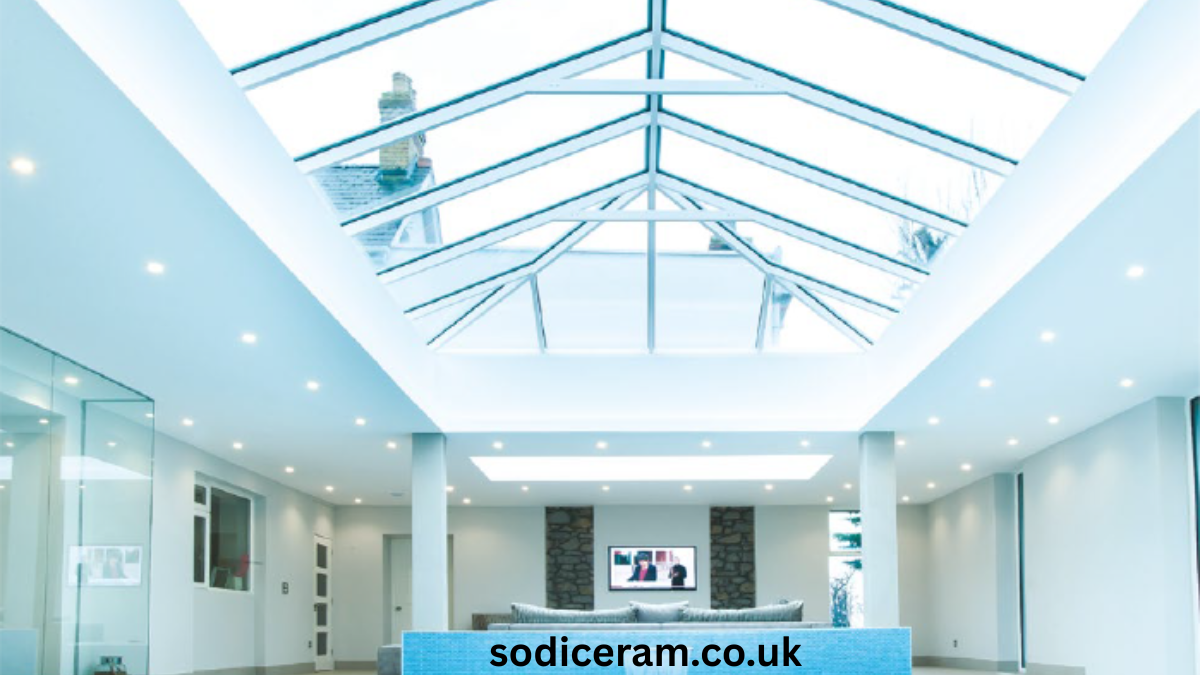
A crystal roof is a modern architectural roofing system made from highly transparent or semi-transparent materials such as tempered glass, polycarbonate, or acrylic panels. It is designed to allow maximum natural light into indoor spaces while still providing protection from weather conditions like rain, wind, and dust. In contemporary architecture, crystal roofs are widely appreciated for their ability to blend indoor and outdoor environments, creating bright, open, and visually stunning spaces.
Over the past few decades, crystal roofing has evolved from a luxury architectural feature into a practical design choice for both residential and commercial buildings. Earlier versions were mostly seen in greenhouses or high-end conservatories, but today they are commonly used in homes, shopping malls, hotels, office atriums, and public buildings. This shift is largely due to advancements in material technology, which have made transparent roofing stronger, safer, and more energy-efficient than ever before.
The popularity of crystal roofs continues to rise because they align with modern design preferences that emphasize natural lighting, sustainability, and aesthetic appeal. Homeowners and architects increasingly choose this roofing style not only for its beauty but also for its ability to reduce energy consumption by maximizing daylight usage during daytime hours.
Types of Crystal Roof Systems
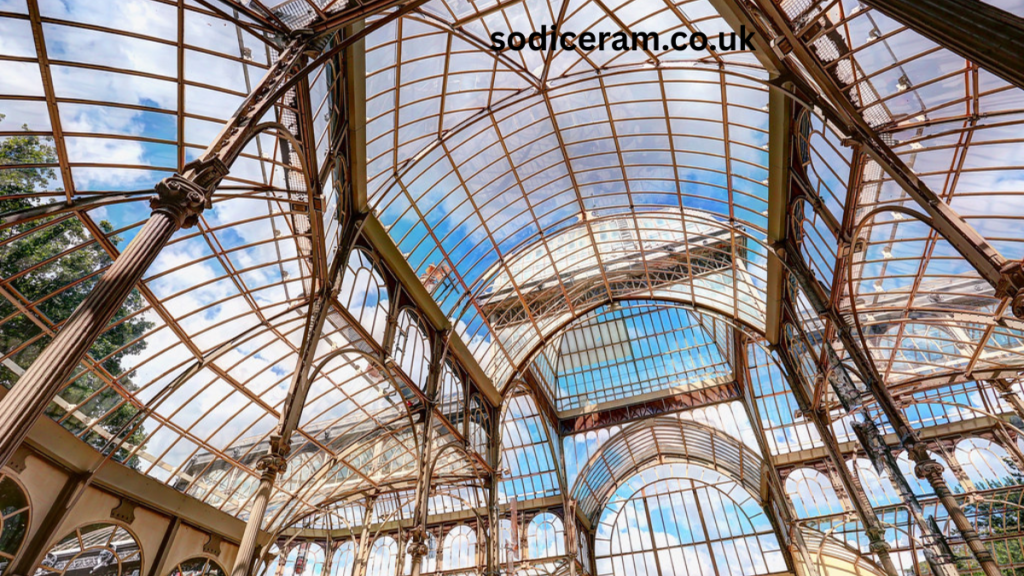
Crystal roof systems come in several types, each offering unique benefits depending on the building’s needs and environmental conditions. One of the most common types is the glass crystal roof, which uses tempered or laminated glass panels. These are highly durable and provide excellent clarity, making them ideal for luxury homes and commercial buildings where aesthetics are a priority. Safety coatings and multi-layer designs help prevent breakage and improve insulation.
Another popular option is the polycarbonate crystal roof. This type is known for being lightweight yet extremely impact-resistant. Polycarbonate panels are often used in areas with harsh weather conditions because they can withstand hail, heavy rain, and strong winds. Additionally, they offer UV protection, making them a practical choice for outdoor patios, walkways, and industrial structures.
Acrylic crystal roofs are another variation, offering a more budget-friendly alternative while still maintaining good transparency. Although not as strong as glass or polycarbonate, acrylic is widely used in decorative installations and smaller architectural projects. It is easy to shape and install, making it suitable for creative designs and customized roofing solutions.
Hybrid crystal roof systems combine different materials to maximize performance. For example, glass may be paired with solar coatings or polycarbonate layers for improved insulation and energy efficiency. These systems are often integrated with smart technology such as automated shading or temperature control, representing the future of adaptive architectural design.
Design and Architectural Applications
Crystal roofs are widely used in modern architecture due to their versatility and aesthetic appeal. In residential buildings, they are commonly installed in living rooms, sunrooms, kitchens, and indoor gardens. Homeowners appreciate how crystal roofs transform ordinary spaces into bright, open environments filled with natural light. This design not only enhances beauty but also improves mood and well-being by connecting occupants with natural daylight.
In commercial architecture, crystal roofs are often used in shopping malls, hotel lobbies, restaurants, and office atriums. These structures benefit from the dramatic visual impact created by large transparent ceilings, which attract visitors and create a sense of luxury and openness. For businesses, this design can also improve customer experience and increase property value.
Crystal roofs are also popular in modern luxury architecture, where they are used to create iconic design features such as glass domes, skylights, and transparent corridors. Architects often integrate them into biophilic designs, which aim to connect people with nature through natural light and greenery. In smart buildings, crystal roofs are combined with automated shading systems, allowing users to control sunlight exposure and temperature efficiently.
Benefits of Installing a Crystal Roof
One of the biggest advantages of a crystal roof is the abundance of natural light it provides. By allowing sunlight to enter directly into interior spaces, it reduces the need for artificial lighting during the day. This can significantly lower electricity consumption and contribute to energy savings over time, making it an environmentally friendly choice.
Another major benefit is the visual and architectural appeal. Crystal roofs create a sense of openness and elegance that traditional roofing systems cannot match. They make spaces appear larger, brighter, and more modern, which can significantly increase the value of a property. This is especially important in real estate markets where design and aesthetics influence buyer decisions.
Crystal roofs also promote a stronger connection between indoor and outdoor environments. This connection enhances mental well-being and creates a calming atmosphere inside the building. In addition, modern crystal roofing systems are designed with energy-efficient coatings that help regulate indoor temperature, reducing heat gain during summer and heat loss during winter.
Challenges and Limitations of Crystal Roofs
Despite their many advantages, crystal roofs also come with certain challenges. One of the most common issues is heat buildup. Because transparent materials allow sunlight to pass through easily, indoor spaces can become excessively warm without proper insulation or shading systems. This can increase cooling costs in hot climates.
Maintenance is another concern. Crystal roofs require regular cleaning to maintain their clarity and appearance. Dust, water stains, and environmental pollutants can quickly reduce transparency, especially in urban areas. In addition, repairing or replacing panels can be more complex and expensive compared to traditional roofing materials.
Cost is also a significant factor. High-quality glass or polycarbonate roofing systems are generally more expensive to install due to material quality and structural requirements. Furthermore, crystal roofs require strong supporting frameworks, which can increase construction complexity and overall project costs. Privacy concerns may also arise in residential applications, as transparent roofs can expose interior spaces if not properly designed.
Installation Process of Crystal Roof Systems
Installing a crystal roof begins with detailed planning and structural assessment. Engineers evaluate the building’s framework to ensure it can support the weight and design of the transparent roofing system. This step is crucial for safety and long-term durability.
Once planning is complete, the appropriate materials are selected based on climate conditions, budget, and design requirements. Glass, polycarbonate, or acrylic panels are chosen depending on the desired balance between strength, cost, and transparency. The structural frame is then constructed using materials like aluminum or steel to provide strong support.
During installation, panels are carefully fitted into the framework using precision techniques to ensure proper alignment and sealing. Waterproofing is an essential step to prevent leaks and ensure durability. Special coatings and sealants are applied to enhance insulation and protect against weather damage. After installation, a final inspection is conducted to verify safety, stability, and performance.
Latest Trends in Crystal Roof Technology
Modern crystal roof technology is rapidly evolving, introducing smarter and more sustainable solutions. One of the most exciting developments is smart glass technology, which allows users to adjust transparency levels electronically. This enables better control over sunlight, privacy, and indoor temperature.
Solar-integrated crystal roofs are another innovative trend. These systems incorporate photovoltaic cells into transparent panels, allowing buildings to generate renewable energy while maintaining natural lighting. This combination of aesthetics and sustainability is becoming increasingly popular in green architecture.
Self-cleaning glass technology is also transforming maintenance requirements. These coatings break down dirt using sunlight and rain, reducing the need for frequent manual cleaning. In addition, eco-friendly materials and energy-efficient designs are shaping the future of crystal roofing, making it more accessible and practical for widespread use.
Conclusion
Crystal roofs represent a perfect blend of modern design, functionality, and innovation. They transform ordinary buildings into bright, elegant, and energy-efficient spaces while offering a strong connection to the natural environment. Although they require careful planning, investment, and maintenance, their long-term benefits often outweigh the challenges.
As technology continues to advance, crystal roofing systems are expected to become even more efficient, affordable, and sustainable. From smart glass innovations to solar-integrated designs, the future of crystal roofs promises a new era of architectural creativity and environmental responsibility.