
The phrase “take me thru dere” has become a recognizable piece of modern internet slang, often appearing in memes, comment sections, and short-form video content. At first glance, it may look like a simple grammatical mistake, but in reality, it reflects how online communities creatively reshape language for humor, emotion, and relatability. This expression is widely used in casual digital conversations where spelling and grammar are intentionally relaxed to match speech patterns, accent humor, or exaggerated emotional reactions.
In today’s internet culture, phrases like this spread rapidly because they feel authentic and expressive. “Take me thru dere” is often used to react to confusing, funny, or dramatic situations online. It does not always have a literal meaning; instead, it acts as a playful way to express curiosity, disbelief, or a desire to “be shown something” in an exaggerated way. As social media platforms continue to prioritize short, engaging content, such informal expressions become part of everyday online language, especially among younger audiences who embrace meme-driven communication styles.
Meaning of “Take Me Thru Dere”
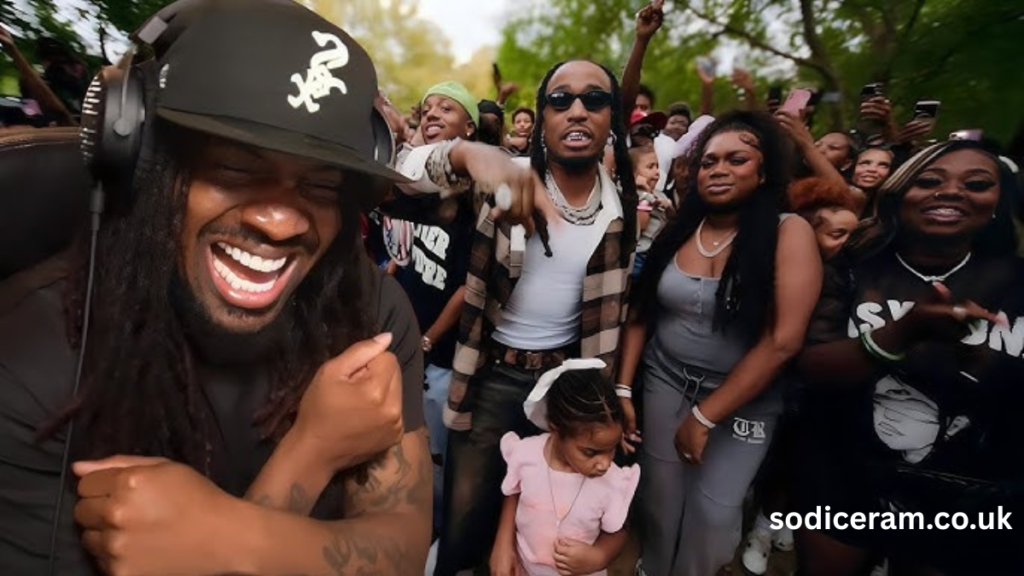
The phrase can be broken down into three simple parts: “take me thru dere,” “thru,” and “dere.” “Take me” is a request or instruction, “thru” is an informal spelling of “through,” and “dere” is a phonetic spelling of “there.” Combined, the literal meaning becomes “take me through there,” which suggests being guided or shown something.
However, its internet meaning goes beyond the literal translation. In online contexts, “take me thru dere” is often used humorously when someone sees something shocking, confusing, or extremely interesting. It expresses a dramatic desire to understand or experience whatever is being shown. For example, it might be used under a viral video where something unbelievable is happening, signaling that the viewer wants an explanation or wants to be “walked through” the situation.
In many cases, the phrase also carries a sarcastic or playful tone. Users may comment it on content that is intentionally chaotic or absurd. Instead of asking seriously, they are reacting in a humorous way, making it part of meme culture where exaggeration is key. This flexible meaning is one of the reasons the phrase has survived and spread across different platforms.
Origin and Popularity of the Phrase
The origin of “take me thru dere” is not tied to a single source but instead comes from the evolution of internet slang and meme culture. It likely emerged from phonetic typing trends, where users intentionally write words the way they sound. This style is especially common in informal digital communication, where speed and humor matter more than grammatical accuracy.
Social media platforms like TikTok, Twitter (X), and Instagram played a major role in spreading the phrase. Short video captions and comment sections often encourage playful language, and users began repeating variations of the expression in reaction to viral content. Over time, it transformed from a simple misspelling into a recognizable meme phrase that people use intentionally for comedic effect.
The phrase also gained traction because of remix culture online. Users frequently take existing slang, modify it, and reuse it in new contexts. This constant repetition and adaptation helped “take me thru dere” become part of a larger collection of humorous internet expressions that thrive on relatability and exaggeration.
How “Take Me Thru Dere” Is Used Online
On social media, the phrase is commonly used as a reaction comment. When users encounter confusing, shocking, or entertaining content, they reply with “take me thru dere” to express that they want context or explanation. It is not meant to be taken literally but rather as a humorous emotional response.
In meme culture, it often appears alongside images or videos showing chaotic or unexpected situations. For example, a clip with a confusing storyline might receive comments asking to be “taken through there,” meaning viewers want someone to explain what is happening step by step. This creates a shared sense of humor between content creators and audiences.
The phrase is also widely used in captions for short videos. Creators sometimes use it to exaggerate a situation or add comedic effect to storytelling. Its flexibility allows it to fit into different contexts, whether funny, dramatic, or even sarcastic. This adaptability is a key reason why it remains popular across various online communities.
Cultural and Social Media Impact
Internet slang like “take me thru dere” reflects how digital culture shapes modern communication. Language online is no longer strictly formal; instead, it evolves quickly based on trends, humor, and community interaction. This phrase is a clear example of how users collectively build meaning through repetition and shared understanding.
Among younger audiences, especially Gen Z, such expressions help create a sense of identity and belonging. Using meme-based language signals familiarity with online trends and digital humor. It also allows people to communicate emotions more casually and creatively, without relying on traditional grammar rules.
On a broader scale, phrases like this highlight how social media has become a powerful driver of language change. What starts as a joke or typo can quickly turn into a widely recognized expression used across platforms and even different cultures.
Misinterpretations and Common Confusion
One of the most common misunderstandings about “take me thru dere” is that it is simply incorrect English. While it is technically informal and grammatically non-standard, its purpose is not to follow strict language rules but to reflect spoken tone and humor.
Some users unfamiliar with internet slang may interpret it literally and miss its humorous or sarcastic meaning. Others may assume it has a serious direction or instruction, when in fact it is usually just a playful reaction. This gap in understanding often depends on exposure to meme culture and online communities.
Despite confusion, the phrase continues to thrive because context usually clarifies its meaning. In most cases, surrounding content makes it obvious whether the phrase is being used seriously or humorously.
Why the Phrase Went Viral
The popularity of “take me thru dere” can be attributed to its simplicity, humor, and relatability. It is easy to type, easy to recognize, and flexible enough to fit many situations. These qualities make it ideal for viral spread on fast-paced platforms like TikTok and Instagram.
Another major factor is emotional exaggeration. The phrase allows users to dramatically express curiosity or confusion in a funny way. This kind of exaggerated reaction is highly shareable and fits perfectly into meme culture, where humor often comes from over-the-top expressions.
Finally, algorithm-driven content discovery helped amplify its reach. As more users engaged with posts containing the phrase, platforms promoted similar content, creating a cycle of repetition and visibility that strengthened its viral status.
Conclusion
“Take me thru dere” is more than just a playful misspelling—it is a reflection of how internet culture continuously reshapes language. It demonstrates how humor, emotion, and community interaction can transform simple phrases into viral expressions. While it may not follow traditional grammar rules, it holds meaning within the context of digital communication and meme culture.
As online language continues to evolve, phrases like this will keep emerging, spreading, and eventually fading, only to be replaced by new expressions. Understanding them helps us better connect with modern digital conversations and the communities that create them.