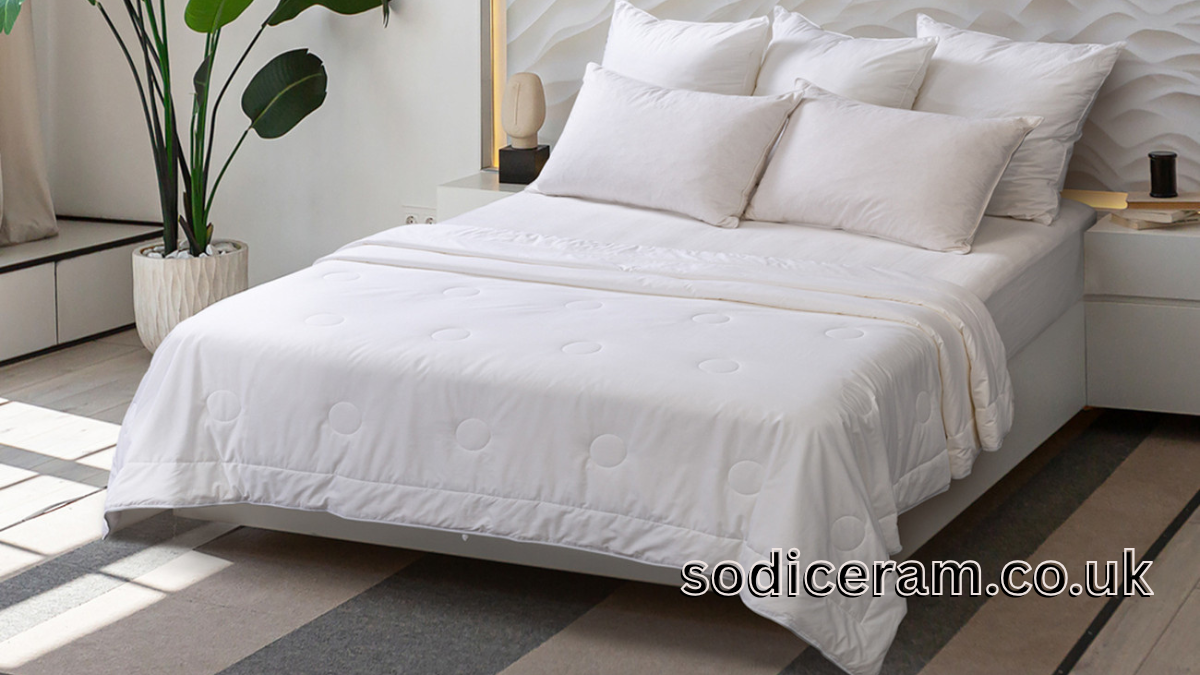
A silk blanket is more than just bedding. It represents comfort, elegance, and a smarter way to improve sleep quality. People today are paying more attention to the materials they surround themselves with at night. Silk has become one of the most desired natural fabrics because it feels soft against the skin and supports better temperature balance. Unlike heavy synthetic blankets, silk offers light warmth without causing overheating.
Silk blankets are growing in popularity among homeowners who want both style and functionality. They are used in luxury hotels, premium bedrooms, and wellness-focused homes. The smooth texture combined with natural breathability makes silk stand out from cotton and synthetic materials. Many users notice improved comfort and better sleep after switching to silk bedding.
Another reason silk blankets attract attention is their long-term value. Although the price may seem higher than standard blankets, the durability and benefits justify the investment. When maintained properly, a quality silk blanket can last for years. It supports healthy skin, reduces allergies, and provides consistent comfort throughout different seasons.
What Is a Silk Blanket?
Definition and Composition
A silk blanket is made from natural fibers produced by silkworms. These fibers are spun into thread and woven into soft fabric. The result is a lightweight but strong material that feels smooth to touch. Pure silk is known for its natural shine and breathable structure.
Manufacturing silk blankets involves careful processing. The silk threads are cleaned, stretched, and woven into fabric layers. Some blankets use 100% pure silk, while others combine silk with cotton or other fibers for added strength. The production process affects softness, durability, and price. High-quality silk usually comes from controlled farming environments that ensure purity and strength.
Silk fabric is naturally lightweight yet surprisingly durable. It has microscopic air pockets that allow airflow while retaining warmth. This balance makes silk blankets comfortable in both cool and warm weather. Because silk is derived from natural sources, it is biodegradable and environmentally friendly compared to synthetic fabrics.
Types of Silk Blankets
Silk blankets come in different types depending on the material and weaving method. The most premium option is the 100% pure silk blanket. It delivers maximum softness and natural benefits. These blankets are often chosen by people who want authentic luxury bedding.
Silk blend blankets combine silk with materials like cotton or microfiber. Blending increases durability and reduces cost. While they may not feel as smooth as pure silk, they still provide comfort and breathability. Many buyers choose blends as a budget-friendly option with similar advantages.
Mulberry silk blankets are highly valued because the silk is produced from silkworms fed with mulberry leaves. This results in fine, strong fibers and a smoother texture. Tussah silk is another option made from wild silkworms. It has a slightly coarser texture but offers a natural and rustic feel.
Key Features
Silk blankets are known for being lightweight yet warm. They do not feel heavy on the body, making them ideal for people who dislike bulky bedding. The soft structure allows easy movement during sleep without restriction.
Breathability is one of the strongest features. Air flows through the fibers, preventing overheating and sweat buildup. This makes silk blankets suitable for different climates and seasons.
Silk also has hypoallergenic properties. It resists dust mites and common allergens better than many synthetic fabrics. People with sensitive skin often experience less irritation when using silk bedding. The smooth texture reduces friction against the skin and hair, supporting overall comfort.
Benefits of Using a Silk Blanket
Comfort and Sleep Quality
Silk blankets improve sleep comfort through natural temperature regulation. The fabric adjusts to body heat, keeping you warm during cold nights and cool during warmer conditions. This balance reduces night-time discomfort and interruptions.
The smooth surface feels gentle against the skin. Unlike rough fabrics, silk minimizes friction and irritation. People who toss and turn often benefit from the soft texture that supports smoother movement.
Better comfort often leads to deeper sleep. When your body feels relaxed and balanced in temperature, you fall asleep faster and stay asleep longer. Many users report noticeable improvement in their overall sleep experience after switching to silk bedding.
Health and Skin Benefits
Silk blankets offer benefits for skin and hair health. The fabric retains moisture better than many other materials. This helps prevent excessive dryness, especially for individuals with sensitive skin.
Because silk is naturally hypoallergenic, it reduces exposure to dust mites and allergens. This makes it a great choice for people who suffer from allergies or asthma. Cleaner bedding means better respiratory comfort during sleep.
Silk also reduces friction on hair strands. This helps prevent hair breakage and tangling. Many beauty experts recommend silk bedding for maintaining healthy skin and hair. It acts as a protective barrier while providing comfort.
Durability and Longevity
Although silk feels delicate, it is surprisingly strong when handled properly. High-quality silk fibers resist tearing and wear over time. Proper care significantly extends the lifespan of the blanket.
Investing in a silk blanket means long-term value. Instead of replacing cheaper blankets frequently, you maintain one durable product for years. Gentle washing and proper storage preserve its texture and performance.
Over time, the cost per use decreases as the blanket remains functional and comfortable. With consistent maintenance, silk bedding remains soft and reliable for a long period.
How to Choose the Best Silk Blanket
Factors to Consider
When selecting a silk blanket, quality should be the main priority. Check the silk grade and source. Mulberry silk usually indicates high quality and smooth texture.
Weight and thickness matter depending on your climate. Lightweight options are ideal for warmer areas, while thicker versions provide extra warmth in cold regions. Thread count and weave density also affect durability and softness.
Budget plays an important role. Premium silk blankets cost more, but they often provide better longevity. Compare different brands and materials before making a decision.
Brand and Certification
Buying from trusted brands ensures authenticity. Reputable manufacturers provide product details and material certifications. Look for labels that confirm pure silk content.
Certification guarantees that the silk is ethically sourced and properly processed. Research customer reviews to understand product performance and reliability. Transparent companies usually provide clear information about their materials.
Size Selection Guide
Silk blankets come in different sizes to match bedding dimensions. Single sizes work well for individual beds. Queen and king sizes offer full coverage for larger mattresses.
Custom sizes are available from certain brands for unique bed designs. Measuring your bed before purchasing ensures proper fit and comfort.
Care and Maintenance of a Silk Blanket
Washing Instructions
Silk blankets require gentle care. Hand washing with mild detergent is usually recommended. Avoid harsh chemicals that damage natural fibers.
Some silk blankets allow machine washing on a delicate cycle. Always follow the manufacturer’s instructions. Use cold water and avoid high spin settings to protect the fabric.
Air drying is best for maintaining texture and strength. Avoid direct sunlight and high heat exposure.
Storage Tips
Proper storage prevents damage and moisture buildup. Fold the blanket neatly and store it in a breathable bag or fabric cover. Avoid plastic containers that trap humidity.
Keep silk away from direct sunlight and damp areas. Clean storage conditions preserve its softness and appearance for years.
Common Mistakes to Avoid
Avoid using strong detergents or bleach on silk fabric. These substances weaken fibers and reduce lifespan.
Do not expose silk blankets to excessive heat from dryers or heaters. High temperatures can shrink or damage the material.
Improper cleaning methods can permanently affect texture. Following care instructions ensures long-term durability.
Silk Blanket vs Other Blanket Materials
Silk vs Cotton
Cotton blankets are affordable and breathable but heavier than silk. Silk provides smoother texture and better temperature regulation.
Cotton may absorb moisture, while silk retains balance. In terms of luxury feel, silk usually wins. However, cotton is often cheaper.
Silk vs Wool
Wool blankets offer strong warmth but feel heavier. Silk feels lighter and smoother on the skin.
Wool may cause irritation for sensitive individuals. Silk is more hypoallergenic and comfortable for delicate skin.
Silk vs Synthetic Materials
Synthetic blankets are budget-friendly but lack natural breathability. They may trap heat and moisture.
Silk provides better airflow and environmental benefits. It is biodegradable and eco-conscious compared to synthetic alternatives.
Price Range and Where to Buy
Price Expectations
Budget silk blankets start at moderate prices and often contain blended materials. Mid-range options usually offer better quality silk with improved durability.
Premium silk blankets made from pure mulberry silk cost more but deliver superior comfort and longevity.
Best Places to Purchase
Online marketplaces provide wide selection and price comparison. Brand websites often offer authenticity guarantees and product details.
Local bedding stores allow customers to feel the texture before buying. Checking reviews and return policies helps ensure satisfaction.
Conclusion
A silk blanket combines comfort, luxury, and practical benefits in one product. It supports better sleep through natural temperature regulation and soft texture. Its hypoallergenic properties make it suitable for sensitive skin and allergy-prone users.
Although the initial cost may be higher, durability and long-term performance make it a valuable investment. With proper care, a silk blanket can last for years while maintaining its quality. For anyone looking to upgrade their bedding experience, silk remains one of the best choices available today.
FAQs
Are silk blankets suitable for all seasons?
Yes, silk naturally regulates temperature, making it comfortable in both warm and cool seasons.
How do I clean a silk blanket properly?
Hand wash with mild detergent or use a delicate machine cycle with cold water.
Are silk blankets good for people with allergies?
Yes, silk resists dust mites and allergens, making it ideal for sensitive individuals.
What is the average lifespan of a silk blanket?
With proper care, it can last several years, often longer than synthetic blankets.
How can I tell if a silk blanket is genuine?
Check for certification labels, material descriptions, and buy from trusted brands to ensure authenticity.
Also Read: matsuda glasses