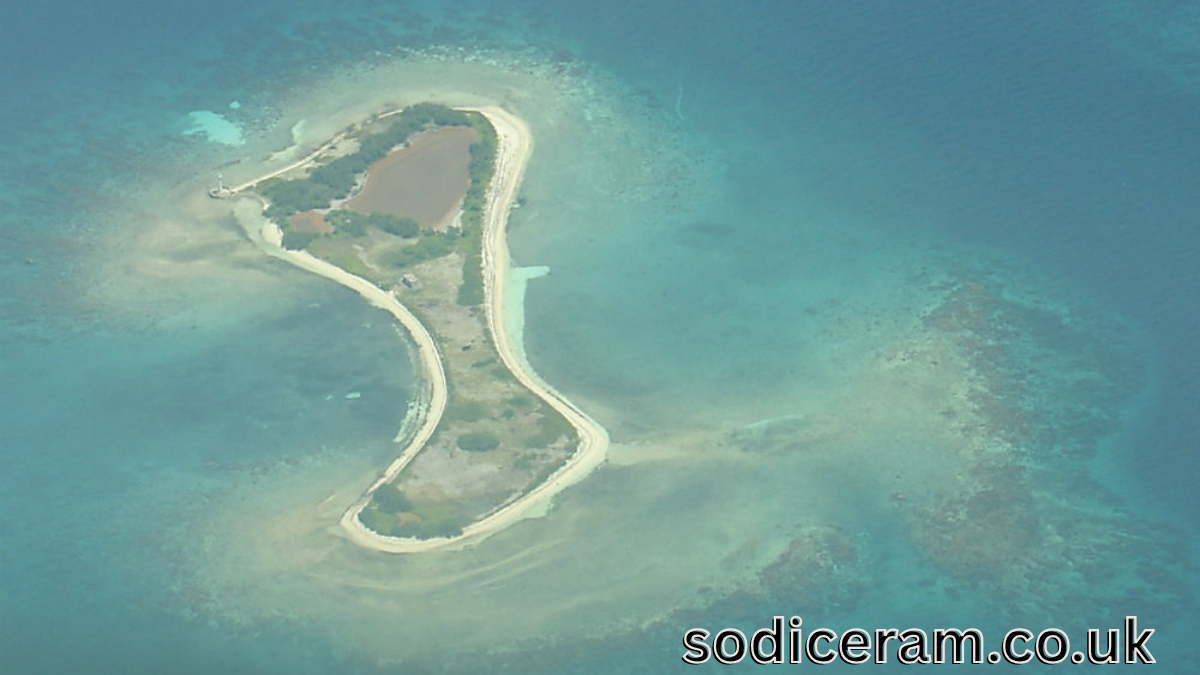
Gonave Island, Haiti’s largest island, remains one of the Caribbean’s best-kept secrets. Nestled in the Gulf of Gonâve, this island stretches over 60 miles in length, offering pristine beaches, rugged landscapes, and a rich cultural heritage. Unlike more commercialized Caribbean destinations, Gonave Island provides travelers with an authentic and untouched experience, where the beauty of nature meets a strong sense of local community.
The island’s charm lies in its blend of history, culture, and adventure opportunities. Visitors can explore quiet beaches, hike through untouched terrain, and immerse themselves in the vibrant life of its inhabitants. Despite being relatively unknown, Gonave Island has much to offer, from colonial-era history to unique wildlife habitats. For anyone seeking a destination that is off the beaten path, Gonave Island is a perfect choice.
This article delves into everything you need to know about Gonave Island. From its fascinating history to its stunning natural beauty, local culture, outdoor activities, accommodation options, and tips for travelers, we cover it all. Whether you are planning a short visit or a longer exploration, this guide will help you understand why Gonave Island is an unforgettable destination and how to make the most of your trip.
History of Gonave Island
Gonave Island has a rich history dating back to its indigenous inhabitants, who first settled on the island thousands of years ago. These early communities relied on fishing, farming, and trade with the mainland of Haiti. The island’s strategic position in the Gulf of Gonâve made it a notable location for colonial powers during the European expansion in the Caribbean. Spanish and later French influences shaped the culture, architecture, and traditions that can still be observed today.
During the colonial era, Gonave Island played a role in trade and served as a temporary refuge for pirates and traders navigating the Caribbean. Its remote location and difficult-to-access coastlines made it a strategic hiding spot. Over time, the island developed small settlements that grew into the villages seen today. Despite these colonial influences, the island retained much of its natural environment and cultural identity, making it unique compared to more developed Caribbean islands.
In modern history, Gonave Island has faced challenges, including limited infrastructure and economic development. Yet, its residents have preserved traditional ways of life while gradually opening the island to tourism. This balance of heritage and natural beauty offers visitors a glimpse into Haiti’s less-explored history and culture. Understanding Gonave Island’s past provides context for appreciating its vibrant communities and untouched landscapes today.
Geography and Natural Beauty
Gonave Island is located in the Gulf of Gonâve, off Haiti’s western coast. Stretching over 60 miles long and 10 miles wide, it features a diverse landscape that includes mountains, valleys, and coastal plains. The island’s terrain varies from rugged hills in the interior to soft, sandy beaches along the shoreline. Its unique geography creates a haven for wildlife and a paradise for outdoor enthusiasts.
The island’s flora is equally remarkable. Dense forests, mangroves, and coastal vegetation provide habitats for birds, reptiles, and other wildlife species. Many parts of Gonave Island remain untouched by modern development, preserving its ecological integrity. Visitors will encounter scenic vistas, natural springs, and rocky cliffs that define the island’s dramatic landscape.
The surrounding waters are rich in marine life, making Gonave Island an excellent destination for snorkeling, diving, and fishing. Coral reefs and abundant fish populations thrive in the Gulf of Gonâve, offering unforgettable underwater experiences. The combination of lush terrain, pristine beaches, and vibrant marine ecosystems makes the island a unique natural treasure in the Caribbean.
Best Beaches on Gonave Island
Gonave Island boasts several beautiful beaches that are perfect for relaxation and recreation. One of the most famous is Anse à Macon, a stretch of white sand bordered by turquoise waters. It’s ideal for swimming and sunbathing, offering a quiet and peaceful environment away from the crowds. Visitors can also enjoy beachside picnics while taking in the serene surroundings.
Other notable beaches include Pointe Sable, known for its dramatic cliffs and crystal-clear waters, and Petite Rivière, where local fishermen dock their boats. These beaches offer opportunities for snorkeling, kayaking, and exploring tidal pools. Each beach has its own character, from secluded coves to more open and accessible shores.
Beachgoers should take note of tide schedules and local conditions, as some areas may have strong currents. Respecting the natural environment is essential, as these beaches are part of fragile ecosystems. Whether you are looking for adventure or simply a place to unwind, Gonave Island’s beaches provide a unique combination of tranquility and natural beauty.
Culture and Local Life
The culture on Gonave Island is deeply rooted in Haitian traditions. Music, dance, and festivals are integral to daily life, with rhythms of rara and twoubadou music often heard throughout the villages. Local artisans craft pottery, textiles, and woodwork, reflecting the island’s rich heritage and creativity.
Food on Gonave Island is another cultural highlight. Residents prepare dishes using fresh seafood, tropical fruits, and locally grown vegetables. Traditional recipes have been passed down through generations, offering visitors a taste of authentic Haitian cuisine. Markets are vibrant, with vendors selling spices, handmade goods, and fresh produce.
Everyday life on the island revolves around community and self-sufficiency. Fishing, farming, and artisanal crafts are the main livelihoods, and many villages maintain a close-knit, supportive atmosphere. Visitors are encouraged to engage respectfully with locals, learning about their customs and contributing to the local economy through tourism.
Adventure and Outdoor Activities
Adventure seekers will find Gonave Island full of opportunities. Hiking trails lead through forests and hills, offering panoramic views of the Gulf of Gonâve. These paths range from gentle walks to more challenging treks, suitable for all levels of experience. Along the way, hikers may encounter unique wildlife and native plants.
Water-based activities are also a major attraction. Snorkeling and diving allow visitors to explore coral reefs teeming with tropical fish. Kayaking along the coastline provides a chance to see hidden beaches and mangrove ecosystems. Fishing excursions can be arranged with local guides, offering both sport and cultural insight into traditional practices.
Eco-tourism is growing on the island, with several initiatives aimed at preserving the environment while allowing visitors to experience its beauty. Birdwatching, guided nature walks, and wildlife observation tours are excellent ways to enjoy Gonave Island responsibly and sustainably.
Accommodation and Travel Tips
While Gonave Island is not heavily commercialized, there are accommodation options ranging from guesthouses to small resorts. Budget travelers can find affordable stays in local villages, offering basic amenities and a chance to experience island life firsthand. For those seeking comfort, boutique lodges provide more luxurious amenities while maintaining a connection with nature.
Travelers should plan logistics carefully, as transportation options are limited. Boats and ferries from the mainland are the primary way to reach the island, and local taxis or motorbikes can help navigate the terrain once there. Booking accommodations in advance is recommended, especially during peak travel seasons.
Understanding local customs, respecting traditions, and following safety guidelines will ensure a smooth visit. Travelers should also be prepared for limited internet and mobile connectivity in remote areas, which adds to the charm of disconnecting and enjoying the island’s natural environment.
Tourism Insights and Safety Tips
The best time to visit Gonave Island is during the dry season, typically from November to April. This period offers pleasant weather, calm seas, and ideal conditions for exploring beaches and hiking trails. Tourists are advised to bring sun protection, insect repellent, and comfortable walking shoes.
Respecting local culture is essential. Dress modestly, ask permission before photographing locals, and support local businesses by purchasing handmade goods and food. Health and safety precautions include staying hydrated, avoiding risky swimming areas, and following guidelines provided by local guides.
Despite limited infrastructure, Gonave Island is generally safe for travelers who take standard precautions. Visitors are rewarded with authentic experiences, minimal crowds, and the opportunity to connect deeply with nature and local culture.
Environmental Conservation
Gonave Island faces environmental challenges, including deforestation, coastal erosion, and habitat loss. Local and international organizations are working to address these issues through reforestation programs, wildlife protection initiatives, and sustainable tourism practices.
Visitors can help preserve the island by minimizing waste, avoiding single-use plastics, respecting wildlife, and supporting eco-friendly accommodations. Responsible tourism ensures that Gonave Island remains a beautiful and sustainable destination for future generations.
Conclusion
Gonave Island is a rare Caribbean destination that combines natural beauty, rich culture, and adventure opportunities in one serene package. Its beaches, mountains, and vibrant communities make it a unique escape from the more crowded tourist spots in Haiti. By exploring the island responsibly and immersing oneself in local life, travelers can experience an unforgettable journey.
Whether hiking, snorkeling, sampling traditional cuisine, or simply relaxing on pristine beaches, Gonave Island offers something for every traveler. It is an ideal destination for those seeking adventure, culture, and tranquility all in one.
Also Read: anwar zakkour