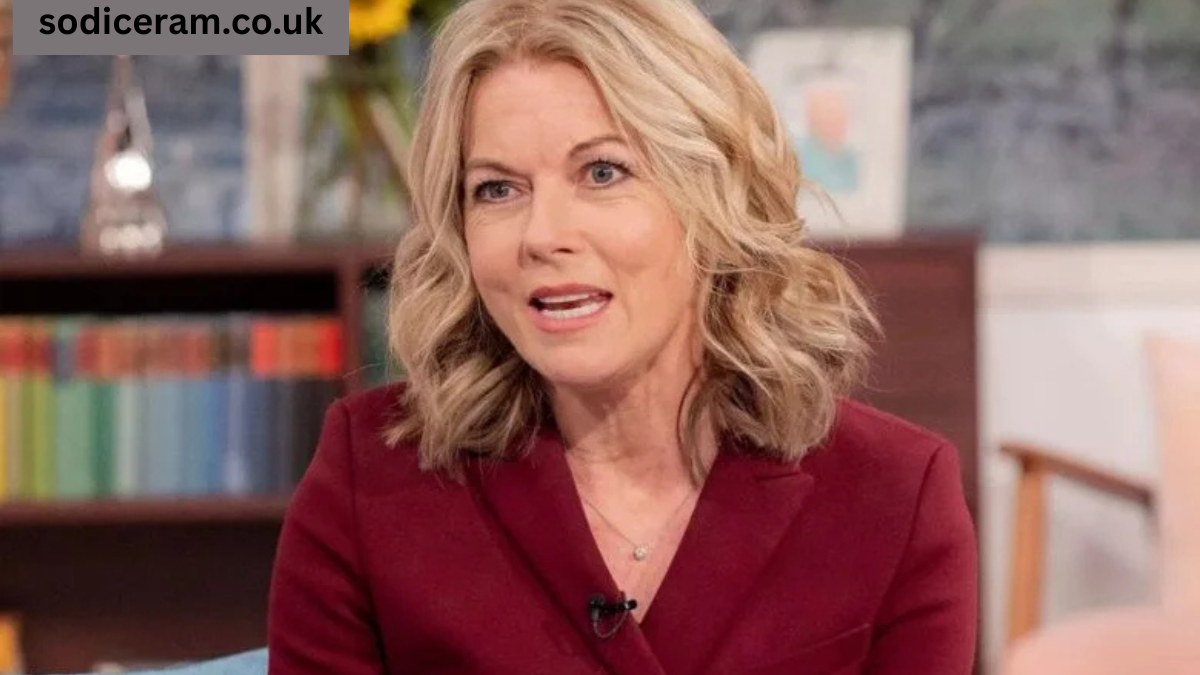
In recent years, the search term “Mary Nightingale illness” has gained attention online, sparking curiosity and concern among viewers of British television. Mary Nightingale is a well-known and respected news anchor, and any change in her public appearances or routine presence on screen tends to generate discussion. However, much of what circulates online about her health is based on speculation rather than verified information.
The internet has made it easier than ever for rumors to spread rapidly, especially when it involves public figures. A simple absence from television or a change in appearance can quickly lead to assumptions about someone’s health. In Mary Nightingale’s case, there has been no confirmed report from credible news organizations or official statements indicating any serious illness. Still, online searches continue to reflect public curiosity.
This article explores the origin of these rumors, verifies available facts, and provides a clear, balanced understanding of Mary Nightingale’s health status while emphasizing responsible media consumption.
Who Is Mary Nightingale? A Look at Her Career and Public Image
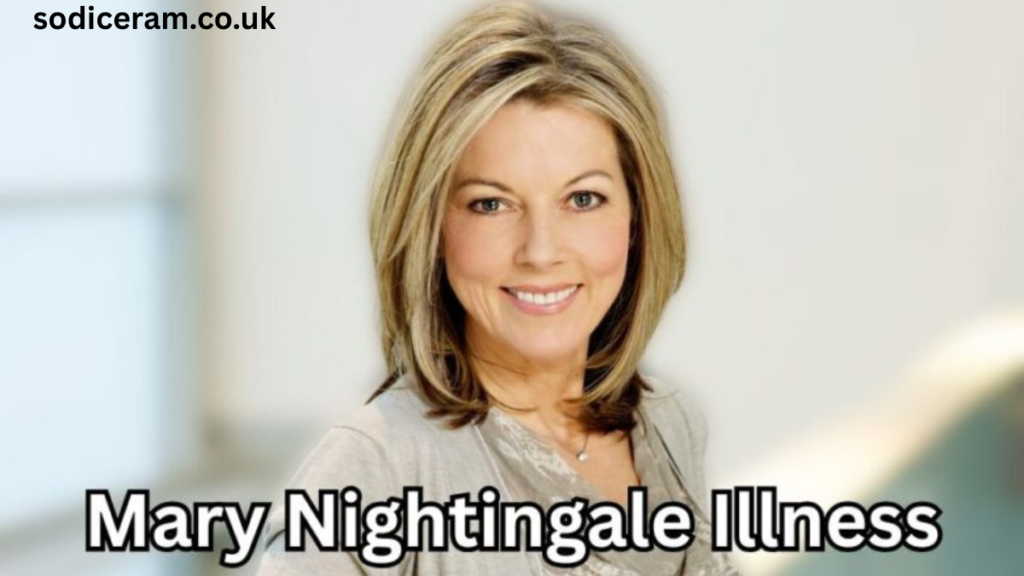
Mary nightingale illness is one of the most recognizable faces in British broadcasting. She has built a long-standing career in journalism and television presenting, earning respect for her professionalism, calm delivery, and credibility as a news anchor. Her work has primarily been associated with major UK news programs, where she has delivered important national and international updates to millions of viewers mary nightingale illness.
Her career spans decades, during which she has become a familiar and trusted figure in British households. Known for her clear communication style and composed presence, she has received recognition for maintaining high journalistic standards. Over the years, she has also covered significant global events, further strengthening her reputation in the media industry mary nightingale illness.
Because of her visibility and long-term presence on television, audiences naturally feel familiar with her. This familiarity often leads to heightened interest in her personal life, including health-related curiosity. However, it is important to remember that public figures like Nightingale are primarily known for their professional work, not their private lives. Despite ongoing speculation, she has maintained a consistent and active career, with no verified indication of any serious health concerns mary nightingale illness nightingale illness.
Origin of the “Illness” Rumors
The phrase “Mary Nightingale illness” appears to have originated from online speculation rather than any official announcement or verified report. In many cases involving celebrities and broadcasters, rumors begin when viewers notice a change such as a brief absence from television, a shift in appearance, or reduced public exposure mary nightingale illness.
Social media platforms often amplify these assumptions. A single comment or unverified post can quickly evolve into a widespread discussion, even if there is no factual basis behind it. Gossip websites and low-credibility blogs sometimes contribute further by publishing sensational headlines designed to attract clicks, rather than provide accurate information.
In Mary Nightingale’s case, there is no confirmed evidence suggesting she has publicly disclosed any illness. The rumors appear to be driven more by public curiosity and internet speculation than by facts. This highlights a common issue in the digital age: misinformation can spread faster than verified news, especially when it involves well-known personalities mary nightingale illness.
Understanding how these rumors begin is essential for separating reality from fiction. Without credible sources or official confirmation, such claims should be treated as speculation rather than fact.
Fact-Checking Mary Nightingale’s Health Status
When examining credible sources, there is no official confirmation that Mary Nightingale is suffering from any illness. Reputable news organizations and broadcasting networks have not reported any health-related concerns regarding her.
In the absence of verified statements from her representatives or trusted media outlets, claims about her health remain unsubstantiated. This is important because public figures often become the subject of misleading narratives that are not grounded in reality.
It is also common for television presenters to take brief breaks from broadcasting due to normal professional schedules, holidays, or production changes. These routine absences are sometimes misinterpreted as health-related issues by online audiences. However, such interpretations are usually incorrect without supporting evidence.
Fact-checking plays a crucial role in addressing misinformation. Reliable reporting requires confirmation from official sources, and in this case, no such confirmation exists. Therefore, any claims regarding illness should be viewed cautiously and not accepted as truth.
Media Speculation vs. Verified Information
One of the biggest challenges in modern media is distinguishing between speculation and verified reporting. In the case of “Mary Nightingale illness,” much of the content circulating online falls into the category of speculation rather than factual journalism.
Sensational headlines often attract attention but do not always reflect reality. Some websites may exaggerate small details or misinterpret normal professional changes as signs of personal issues. This creates confusion among readers who may not cross-check information with credible sources.
Verified information, on the other hand, comes from established news organizations, official statements, or direct confirmations from representatives. In Mary Nightingale’s case, no such verified health concerns have been reported.
Understanding this difference helps readers become more informed consumers of media. It also reduces the spread of misinformation that can unfairly affect public figures. Responsible journalism prioritizes accuracy over speculation, ensuring that audiences receive trustworthy updates.
Privacy and Public Figures: Why Health Should Be Respected
While public figures like Mary Nightingale are regularly seen on television, they are still entitled to personal privacy. Health is a sensitive topic, and discussing it without confirmed information can lead to unnecessary misunderstanding.
Ethically, it is important to avoid making assumptions about someone’s medical condition based on appearance or temporary absence. Public curiosity should not override respect for personal boundaries. Even well-known personalities deserve space to manage their private lives without speculation.
Media consumers also play a role in shaping online discussions. By choosing to rely on verified information rather than rumors, audiences can help reduce the spread of false narratives. This not only protects individuals but also improves the overall quality of information shared online.
Mary Nightingale’s Continued Career and Public Presence
Despite ongoing online speculation, Mary Nightingale continues to maintain her professional presence in broadcasting. Her long-standing career reflects consistency and dedication to journalism.
She remains associated with reputable news programming and continues to be recognized for her work in television presenting. There has been no credible indication of any interruption in her career due to health issues. Instead, she remains an active figure in the media industry.
Public appearances and professional contributions further reinforce that rumors about her illness are not supported by evidence. Her continued work demonstrates stability in her career rather than any confirmed health-related absence.
Public Reaction and Online Discussions
Online discussions about “Mary Nightingale illness” highlight how quickly information can spread in the digital age. Social media platforms often become spaces where curiosity and speculation mix, sometimes leading to misinformation.
While some users express concern, others repeat unverified claims without checking facts. This creates a cycle where rumors gain visibility simply because they are widely shared, not because they are accurate.
The situation underscores the importance of critical thinking when consuming online content. Not every trending topic reflects reality, and public interest does not always equal factual accuracy.
Conclusion: Separating Fact from Fiction
In summary, there is no confirmed evidence that Mary Nightingale is suffering from any illness. The topic appears to be driven by online speculation rather than verified news. While public curiosity is natural, it is important to rely on credible sources and avoid spreading unconfirmed information.
Mary Nightingale continues to be a respected figure in broadcasting, and current information does not support claims of any serious health concerns. Understanding the difference between rumor and fact helps ensure more responsible media consumption in today’s fast-moving digital world.